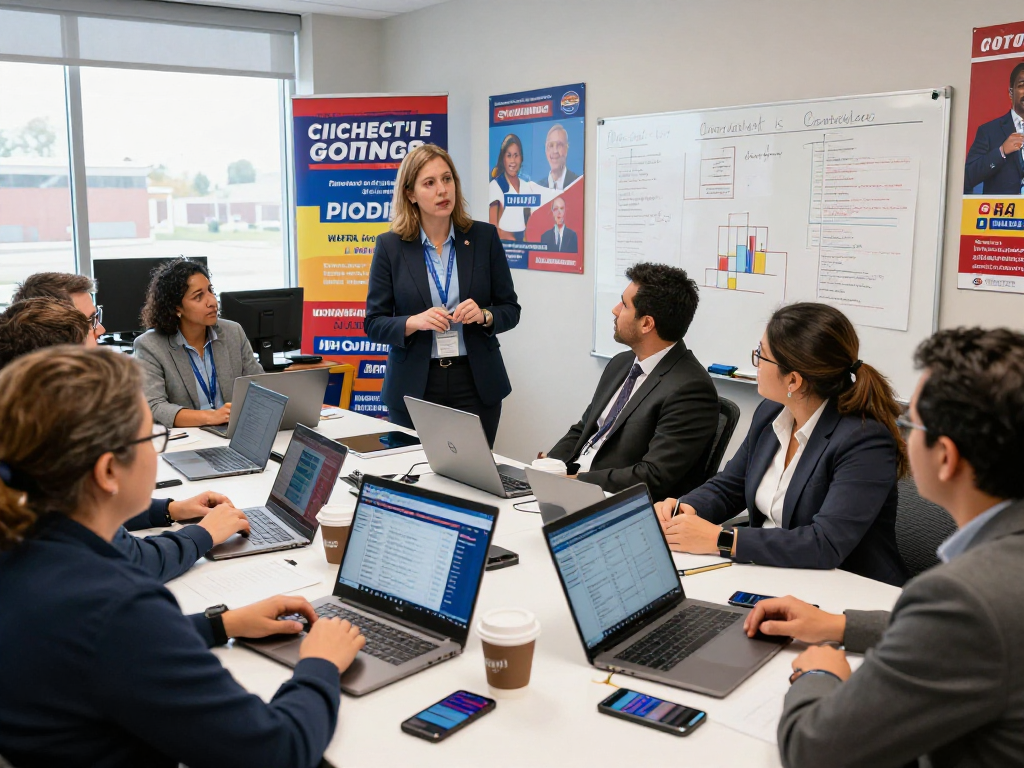
Understanding Peer to Peer Texting for Campaigns
In today’s fast-paced political landscape, effective communication with voters is crucial for any campaign's success. One emerging strategy that has gained traction is peer to peer texting. This method allows campaigns to engage voters on a personal level, increasing the chances of a meaningful interaction. When exploring options, peer to peer texting for campaigns provides comprehensive insights into how to leverage this digital tool for maximum impact.
What is Peer to Peer Texting?
Peer to peer texting is a personalized communication strategy where campaign volunteers or staff send one-on-one text messages to voters. Unlike mass texting, which sends the same message to multiple recipients at once, peer to peer texting enables tailored discussions that can foster stronger connections and increase voter responsiveness. This method is often facilitated through specialized platforms that allow for managing conversations at scale.
How Peer to Peer Texting Works in Political Campaigns
The process of implementing peer to peer texting begins with collecting voter data, typically sourced from comprehensive voter files. Campaigns can obtain updated voter lists that include essential information such as names, addresses, and phone numbers. Once the data is at hand, campaign teams can segment their audience based on demographics, preferences, and past voting behavior. Volunteers then initiate conversations, addressing specific issues or questions that reflect the interests of each voter.
Key Benefits of Using Peer to Peer Texting
- Increased Engagement: Personalized messages resonate more with voters, resulting in higher open and response rates.
- Enhanced Voter Identification: Direct conversations help campaigns better understand voter concerns and preferences.
- Cost-Effectiveness: Compared to traditional advertising methods, peer to peer texting is often more affordable and yields higher return on investment.
- Real-Time Feedback: Campaigns can quickly gauge voter reactions and adapt strategies accordingly.
Setting Up Your Campaign for Success
To harness the full potential of peer to peer texting, campaigns must be strategically set up for success. This includes selecting the right messaging platform and ensuring a seamless integration of voter data for targeted outreach.
Choosing the Right Messaging Platform
There are several platforms available specifically designed for peer to peer texting in campaigns. When choosing the right one, consider factors such as user interface, scalability, API integrations, and compliance features. Look for platforms that offer analytics tools to track engagement and performance metrics, as these will be invaluable in refining your messaging strategy.
Integrating Voter Data for Targeted Outreach
Successful peer to peer texting relies heavily on accurate and up-to-date voter data. Campaigns should invest in acquiring comprehensive voter files that not only provide basic contact information but also include insights into voter behavior and preferences. This data should be integrated into the chosen messaging platform to enable personalized outreach efforts that resonate with voters’ specific concerns.
Best Practices for Crafting Effective Messages
Crafting messages that engage and motivate voters is essential. Here are some best practices to consider:
- Be Personal: Use the voter’s name and reference their past voting behavior to create a sense of familiarity.
- Keep It Brief: Text messages should be concise and to the point, ideally under 160 characters.
- Include a Call to Action: Encourage voters to respond, whether it’s to ask questions, express support, or participate in events.
- Be Timely: Send messages that are relevant to current events or campaign milestones to ensure they resonate with voters.
Maximizing Engagement through Data Analysis
Data-driven decision-making is core to the success of peer to peer texting campaigns. By analyzing engagement metrics and voter responses, campaigns can continually refine their strategies for improved outreach.
Using Voter Data to Inform Texting Strategies
Analyzing the voter data collected during outreach efforts can provide critical insights into trends and preferences. Identify which messages resonate most with different segments of the electorate and use these insights to hone your approach. For instance, if a specific demographic responds well to messages about healthcare policies, prioritize this theme in your communications with them.
Tracking Engagement Metrics and Adjusting Tactics
Effective campaigns should consistently track key performance indicators (KPIs) such as response rates, engagement levels, and conversion metrics. By benchmarking these metrics against campaign goals, teams can identify areas for improvement. If certain messages underperform, testing alternative scripts can help discover what drives better engagement.
Real-world Examples of Successful Campaigns
Several political campaigns have successfully leveraged peer to peer texting to enhance voter engagement. For example, a gubernatorial campaign in Virginia implemented a peer to peer texting strategy that resulted in a 20% increase in voter turnout among younger demographics. By tailoring messages that addressed local issues and leveraging volunteers who were relatable to the target audience, the campaign demonstrated the power of personalized outreach.
Overcoming Common Challenges in Campaign Texting
While peer to peer texting presents numerous advantages, campaigns must also be prepared to tackle potential challenges that may arise.
Addressing Compliance and Legal Considerations
Compliance with regulations surrounding texting is vital, especially with laws like the Telephone Consumer Protection Act (TCPA) in place. Campaigns need to ensure that they obtain the necessary consent from voters before sending messages. This includes providing clear opt-in options and honoring opt-out requests promptly to maintain trust and transparency.
Managing Opt-out Requests Effectively
Voter privacy is paramount in any campaign. Implementing an efficient system for managing opt-out requests ensures that voters who choose to disengage can do so easily. This not only helps comply with regulations but also demonstrates respect for voters’ preferences, which can enhance the campaign's reputation.
Handling Negative Reactions and Building Trust
Not all responses will be positive, and campaigns should prepare for potential backlash. Having a plan in place for handling negative reactions—including providing clear, factual responses or redirecting them to appropriate resources—can help mitigate damaging situations. Building trust over time through consistent, respectful communication is essential for maintaining voter relationships.
Future Trends in Peer to Peer Texting for Campaigns
As technology and communication preferences evolve, so too will the strategies surrounding peer to peer texting in political campaigns. Understanding emerging trends will help campaigns stay ahead of the curve.
Emerging Technologies Enhancing Texting Strategies
Artificial intelligence (AI) and machine learning are set to revolutionize peer to peer texting by allowing for smarter, data-driven interactions. AI can analyze voter responses in real time, enabling campaigns to automate basic queries and escalate complex conversations to human volunteers when necessary. This can enhance efficiencies and improve the voter experience.
Predictions for Political Campaigns in 2026
Looking ahead to 2026, it is anticipated that peer to peer texting will become even more integral to campaign strategies. With an increase in mobile device usage and a younger generation of voters who favor text communication over traditional channels, campaigns that invest in robust texting strategies are likely to see greater engagement and turnout.
Preparing for the Next Generation of Voter Engagement
As voter expectations continue to shift toward personalized and immediate communication, campaigns must adapt accordingly. Building a comprehensive communication strategy that incorporates peer to peer texting alongside other digital tools—such as social media and email—is crucial. This multi-channel approach ensures that campaigns can engage voters where they are most active and receptive.
What are the main advantages of peer to peer texting?
The advantages of peer to peer texting include personalized voter engagement, higher response rates, cost-effectiveness compared to traditional outreach methods, and the ability to quickly adapt messaging strategies based on real-time feedback.
How does peer to peer texting differ from mass texting?
Unlike mass texting, which sends a single message to multiple recipients, peer to peer texting focuses on individual conversations, allowing for tailored communication that fosters relationships and increases voter responsiveness.
What legal considerations should campaigns be aware of?
Campaigns need to ensure compliance with regulations like the TCPA, which mandates obtaining consent before sending messages. Understanding and managing opt-in and opt-out processes is crucial to maintaining legal and ethical communication practices.
Can peer to peer texting impact voter turnout?
Yes, studies have shown that campaigns using peer to peer texting can significantly enhance voter turnout, particularly among demographics that prefer immediate and personal communication methods.
What tools can I use for peer to peer texting?
There are various platforms available for peer to peer texting, including Hustle, GroundGame, and Relay. These tools often come equipped with analytics and management features that can streamline campaign efforts and enhance engagement metrics.