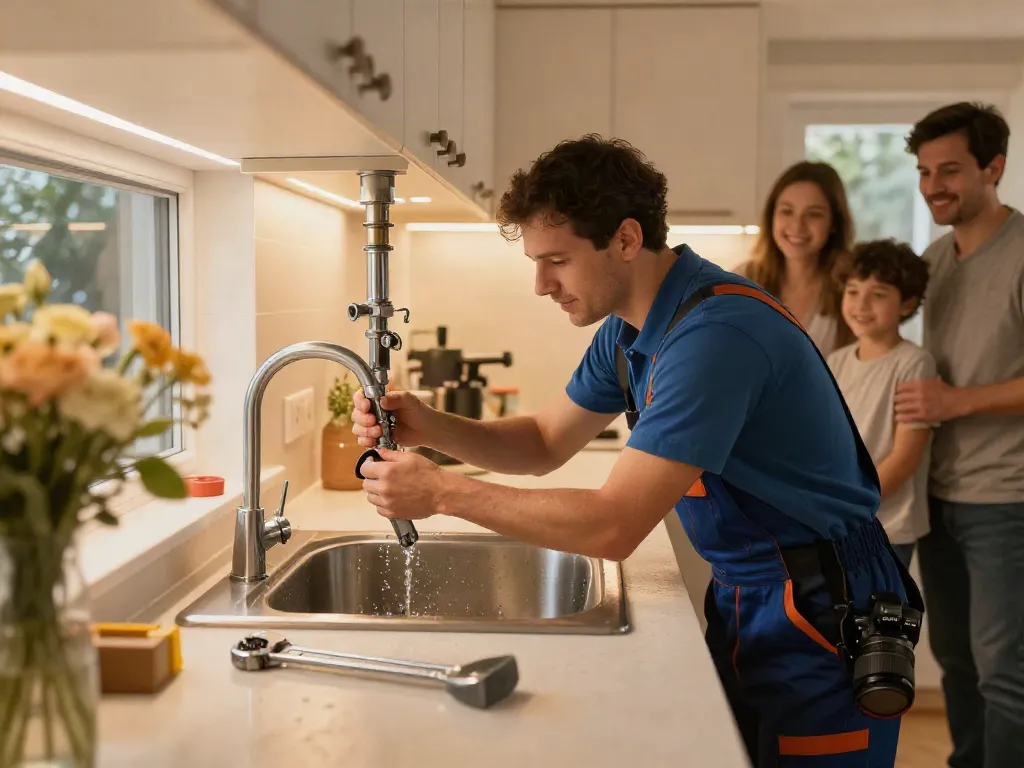
The State of Plumbing in London: An Overview
As we transition into 2026, the plumbing landscape in London is undergoing significant transformations, driven by evolving consumer expectations, technological advancements, and regulatory changes. Residents are increasingly seeking reliable, efficient, and cost-effective plumbing solutions, making it essential to understand the current state of plumbing services in the capital. Companies like WEFIX London have positioned themselves as leaders in this space, offering an array of services from basic plumbing tasks to complex heating and drainage solutions. When exploring options, plumber london provides comprehensive insights into the types of services available to homeowners and businesses alike.
Current Trends Affecting Plumbers in London
In recent years, several trends have emerged that impact the plumbing industry in London:
- Demand for Eco-Friendly Solutions: Homeowners are increasingly prioritizing sustainability. This has led to a rise in demand for eco-friendly plumbing solutions, such as low-flow fixtures and sustainable materials.
- Smart Home Integration: The integration of smart technologies into plumbing systems is gaining traction. From leak detection to automated water use monitoring, homeowners are favoring solutions that enhance efficiency through technology.
- Increased Focus on Customer Service: With the rise of online platforms for reviews, companies are focusing on enhancing customer service quality, ensuring prompt responses and effective solutions.
Customer Expectations in 2026
Looking ahead, customers in London expect more personalized and responsive services. They want transparency regarding pricing, with an emphasis on detailed quotations and no hidden fees. Customers are also increasingly valuing companies that conduct background checks on their employees, ensuring safety and reliability in their homes. This sets a precedent for companies like WEFIX to maintain high standards and foster trust among clients.
Common Plumbing Issues Faced by Residents
Despite advancements in plumbing technology, certain issues remain prevalent among London residents. Some of the most common plumbing problems include:
- Leaky Faucets and Toilets: Dripping taps and faulty toilets can lead to significant water wastage, prompting immediate attention.
- Blocked Drains: Regular blockages can result from the accumulation of waste, requiring professional intervention to restore normal flow.
- Boiler Breakdowns: With the cold London winters, boiler issues often arise, necessitating reliable heating solutions.
Choosing the Right Plumber in London
Selecting a high-quality plumber is crucial for ensuring that your plumbing systems are reliable and cost-effective. In a city with such a large variety of services, knowing the right attributes to look for can save both time and money.
How to Assess a Plumber's Credentials
When hiring a plumber, it is essential to verify their credentials. Look for qualifications such as:
- Licensing: Ensure the plumber is licensed and insured to work in London to protect against potential damages.
- Experience: A plumber with years of experience is often better equipped to handle unforeseen issues efficiently.
- Customer Reviews: Reading reviews on platforms such as Trustpilot or Google can provide insights into customer satisfaction levels.
Key Questions to Ask Before Hiring
Before finalizing a plumber, consider asking the following questions:
- What is your experience with this type of plumbing work?
- Can you provide references or examples of previous work?
- What is your warranty or guarantee policy on your work?
Understanding Pricing and Quotes
Plumbing costs can vary significantly based on service type, complexity, and location. To avoid unexpected costs:
- Request detailed, written quotes before work begins.
- Discuss any potential additional costs that may arise during the service.
- Evaluate flat-rate versus hourly rates to find the most cost-effective option.
New Technologies Revolutionizing Plumbing Services
With the plumbing industry rapidly evolving, technology is playing a pivotal role in enhancing service delivery. From advanced diagnostics to smart home integration, new tools are improving how plumbers engage with their work and customers.
Innovative Tools and Equipment for Plumbing
Modern plumbing companies are increasingly using advanced tools that streamline their operations, such as:
- Pipe Inspection Cameras: These devices allow plumbers to visually inspect pipes, helping identify blockages or damage without invasive measures.
- Hydro Jetting Equipment: This technology effectively clears stubborn blockages using high-pressure water jets, offering a more efficient solution compared to traditional methods.
- Smart Leak Detectors: Devices that alert homeowners to leaks before they cause significant damage are becoming commonplace.
Benefits of Smart Plumbing Solutions
Smart plumbing solutions provide numerous benefits, including:
- Enhanced efficiency through real-time monitoring.
- Increased water conservation and cost savings.
- Improved preventive maintenance capabilities.
Future Trends in Plumbing Technology
The future of plumbing technology indicates a shift towards even more integrated systems:
- AI and Automation: Artificial intelligence will likely play a role in predictive maintenance and customer service responses.
- Water-Saving Technologies: Innovations such as greywater recycling systems will become more prevalent.
Best Practices for Plumbing Maintenance
Regular maintenance is key to prolonging the life of plumbing systems and preventing costly emergencies. Here are some best practices homeowners should adopt:
Routine Checks Every Homeowner Should Perform
Consider the following routine checks:
- Inspect pipes for signs of corrosion or leaks.
- Check water pressure to ensure it is within normal ranges.
- Examine water heater for any leaks or discoloration.
How to Prevent Common Plumbing Issues
Preventative measures can save homeowners time and money:
- Regularly clean drains to prevent blockages.
- Avoid flushing non-biodegradable items down toilets.
- Ensure that your boiler is serviced annually by a professional.
When to Call a Professional
While some plumbing issues can be resolved DIY, there are situations that warrant professional help:
- Persistent leaks that do not resolve with basic repairs.
- Major installation jobs such as new bathrooms or kitchens.
- Signs of water damage that suggest a hidden plumbing issue.
Insights from London's Top Plumbers
Learning from the experiences of skilled plumbers can provide valuable insights into the industry.
Case Studies of Successful Repairs and Installations
Several successful case studies highlight the importance of tailored solutions:
- Residential Renovation: A complete bathroom overhaul that incorporated smart fixtures led to increased customer satisfaction.
- Commercial Plumbing Maintenance: Regular maintenance agreements for businesses prevented emergencies and extended the life of their plumbing systems.
Lessons Learned from Customer Interactions
Customer feedback can shape service offerings, leading to enhanced experiences:
- Understanding the customer's needs is key to providing tailored solutions.
- Transparency in communication fosters trust and loyalty.
Future of Plumbing in London: Expert Predictions
Experts predict that the role of plumbing will continue to evolve, with technology being at the forefront. By embracing these changes, London plumbers can remain competitive and continue to meet the needs of their clients effectively.
What are the signs of a plumbing emergency?
Signs indicating a plumbing emergency may include:
- Sudden loss of water pressure.
- Visible leaks or flooding.
- Strange noises coming from plumbing fixtures.
How much does a plumber cost in London?
The cost of hiring a plumber in London can vary widely, with average rates ranging from £50 to £150 per hour. Comprehensive quotes should always be requested before work commences to avoid unexpected charges.
How often should plumbing systems be checked?
It is advisable to have plumbing systems inspected annually to identify any potential issues before they escalate.
Can I fix plumbing problems myself?
While some minor issues may be fixable with DIY methods, it is often safer and more effective to consult a professional for complex problems.
What should I do during a plumbing emergency?
In the event of a plumbing emergency, the following steps should be taken:
- Shut off the main water supply.
- Contact a professional plumber immediately.
- Document any damage for insurance purposes.