
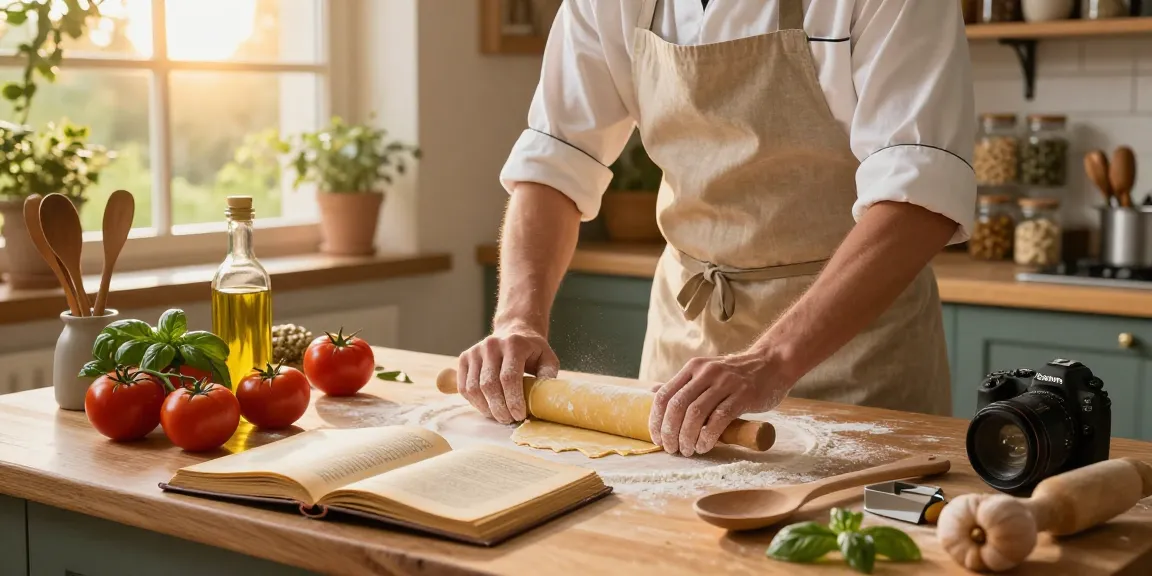
Understanding Italian Cuisine Basics
Italian cuisine is one of the most beloved culinary traditions in the world, renowned for its rich flavors, fresh ingredients, and time-honored techniques. Each region of Italy brings its own unique cultural influences and distinctive dishes, making Italian cooking both diverse and fascinating. To truly appreciate this culinary art form, one must delve into the fundamentals of Italian cooking, exploring its defining characteristics, essential ingredients, and common misconceptions. For those eager to learn more about Italian cooking, it’s beneficial to click here and explore further resources.
What Defines Italian Cooking?
At its core, Italian cooking is about simplicity and quality. The hallmark of this cuisine lies in using a limited number of ingredients, each chosen for its freshness and flavor. Traditional Italian dishes focus on producing bold flavors through techniques such as roasting, simmering, and sautéing. Italian cooking is also deeply tied to its regions, with distinct variations in flavors and cooking styles. For example, while Northern Italy leans heavily on creamy sauces and rice dishes, Southern Italy is famous for its bright tomato-based sauces and fresh seafood.
Key Ingredients and Their Importance
Great Italian cooking starts with quality ingredients. Key staples include:
- Olive Oil: The foundation of Italian cooking, used for sautéing, dressings, and drizzling.
- Tomatoes: Central to many sauces, they are celebrated for their sweetness and acidity.
- Fresh Herbs: Basil, oregano, and parsley provide the aromatic backbone to numerous dishes.
- Cheese: Varieties like Parmigiano-Reggiano and mozzarella enhance dishes with richness and flavor.
- Pasta: A quintessential component, available in countless shapes and sizes, perfect for pairing with various sauces.
Common Misconceptions in Italian Food
There are several myths surrounding Italian cuisine that can lead to misunderstandings. One prevalent misconception is that all Italian dishes are heavy and rich. In reality, much of Italian cooking emphasizes moderation and balance, utilizing fresh vegetables and lean meats. Additionally, many believe that pasta should be eaten with a heavy layer of sauce; however, in Italy, the ideal is to complement the pasta without overwhelming it. Understanding these nuances can enhance one’s appreciation of authentic Italian dishes.
Essential Tools for Authentic Italian Cooking
To cook like an Italian, having the right tools is essential. Traditional cooking methods often rely on specific kitchen utensils and equipment that enhance the cooking process and improve the results.
Must-Have Kitchen Utensils
No Italian kitchen is complete without a few essential tools:
- Wooden Spoon: Ideal for stirring sauces and mixing ingredients.
- Pasta Cutter: Useful for shaping fresh pasta.
- Mortar and Pestle: Perfect for grinding herbs and spices to create authentic pestos.
- Mandoline: For slicing vegetables thinly and uniformly, essential for dishes like Caprese salad.
Choosing the Right Cookware
Cookware choices significantly affect the outcome of your dishes. A good quality frying pan (preferably cast iron or stainless steel) ensures even heat distribution, while a heavy-bottomed pot is perfect for sauces that require slow cooking. Additionally, using non-stick pans can help when attempting delicate dishes like frittatas.
Essential Equipment for Pasta Making
Pasta making requires specific tools to achieve the perfect texture and shape:
- Pasta Machine: This tool allows for even thickness and uniform shape.
- Rolling Pin: Useful for hand-rolling dough if a pasta machine isn’t available.
- Drying Rack: Essential for drying pasta before cooking to prevent sticking.
Step-by-Step Guide to Making Pasta
Making pasta from scratch is a rewarding experience, allowing one to connect deeply with the culinary traditions of Italy. Here’s a step-by-step guide.
Preparing the Dough
The foundation of pasta lies in its dough, which can be made using just flour and eggs. Begin by creating a mound of flour on a clean surface, forming a well in the center. Crack the eggs into the well, and slowly mix the flour into the eggs using a fork, gradually forming a dough. Knead for about 10 minutes until smooth and elastic.
Shaping and Cutting Techniques
Once your dough is ready, divide it into sections. Roll each piece thinly, using a pasta machine for consistent thickness, or a rolling pin to achieve the desired thinness. For shapes, the dough can be cut into sheets for lasagna, or strips for tagliatelle. Use a knife or a pasta cutter for precision.
Cooking Tips for Perfect Pasta
Cooking fresh pasta requires attention. Boil salted water and add the pasta, cooking for 2–4 minutes until al dente. Always taste a piece before draining. Save some pasta water before draining, as it can be used to adjust the consistency of your sauce.
Exploring Regional Dishes Across Italy
Italy’s regional diversity is a treasure trove for food lovers, each area offering signature dishes that reflect local ingredients and customs.
Popular Recipes from Northern Italy
In Northern Italy, you’ll find creamy risottos and polentas, alongside famous dishes like osso buco and regional specialties such as risi e bisi (rice and peas) from Venice. These dishes often feature butter and cheese, showcasing the colder region’s agricultural outputs.
Signature Dishes of Southern Italy
Conversely, Southern Italy is known for its vibrant, sun-kissed dishes. Popular items include caprese salad and spaghetti alle vongole (spaghetti with clams). These dishes highlight the bounty of the sea and fertile farmland where tomatoes and fresh herbs flourish.
The Influence of Local Ingredients
Local ingredients play a key role in crafting regional specialties. From the rich cheeses of Emilia-Romagna to the fresh seafood of Sicily, the diversity adds to the culinary experience, making each meal unique to its geographical origin.
Future Trends in Italian Cooking by 2026
The culinary landscape is ever-evolving, and Italian cooking is no exception. Here, we explore anticipated trends shaping the future of this beloved cuisine.
Emphasizing Sustainable Practices
As environmental awareness grows, the Italian food scene is shifting towards sustainability. Locally sourced ingredients, organic farming, and waste reduction practices are becoming increasingly important. Chefs are focusing on creating dishes that not only taste good but also support ecological balance.
Innovative Twists on Traditional Recipes
Traditional recipes will increasingly receive modern interpretations, combining techniques and flavors from other culinary traditions. Expect to see innovative dishes that maintain the essence of Italian cooking while embracing global flavors.
The Rise of Italian Fusion Cuisine
Fusion cuisine is expected to surge in popularity, where chefs creatively blend Italian elements with those from other cultures. Think sushi made with Italian ingredients or tacos featuring classic Italian sauces. This blending of culinary traditions will provide endless opportunities for experimentation.
What is the best way to explore Italian cooking?
To truly explore Italian cooking, start by engaging with its regional dishes, taking cooking classes, and visiting local markets. Learning from authentic sources will enrich your understanding and appreciation of this complex cuisine.
What essential ingredients should I always have?
Always stock your pantry with staples like high-quality olive oil, various pasta types, canned tomatoes, and fresh herbs. These ingredients will serve as the foundation for countless Italian dishes.
How can I perfect my pasta-making skills?
Practice is key to perfecting pasta-making skills. Experiment with different recipes, techniques, and shapes. Pay attention to the dough’s texture and remember that fresh pasta cooks faster than dried, so timing is crucial.
What are some common mistakes in Italian cooking?
Common mistakes include overcooking pasta, using poor-quality ingredients, and overwhelming dishes with too many flavors. Remember that in Italian cooking, less is often more.
How can I make authentic Italian dishes at home?
Focus on using fresh, high-quality ingredients and traditional techniques. Don’t hesitate to follow authentic recipes, and practice consistently. With time and dedication, you can achieve delicious results that reflect the heart of Italian cuisine.