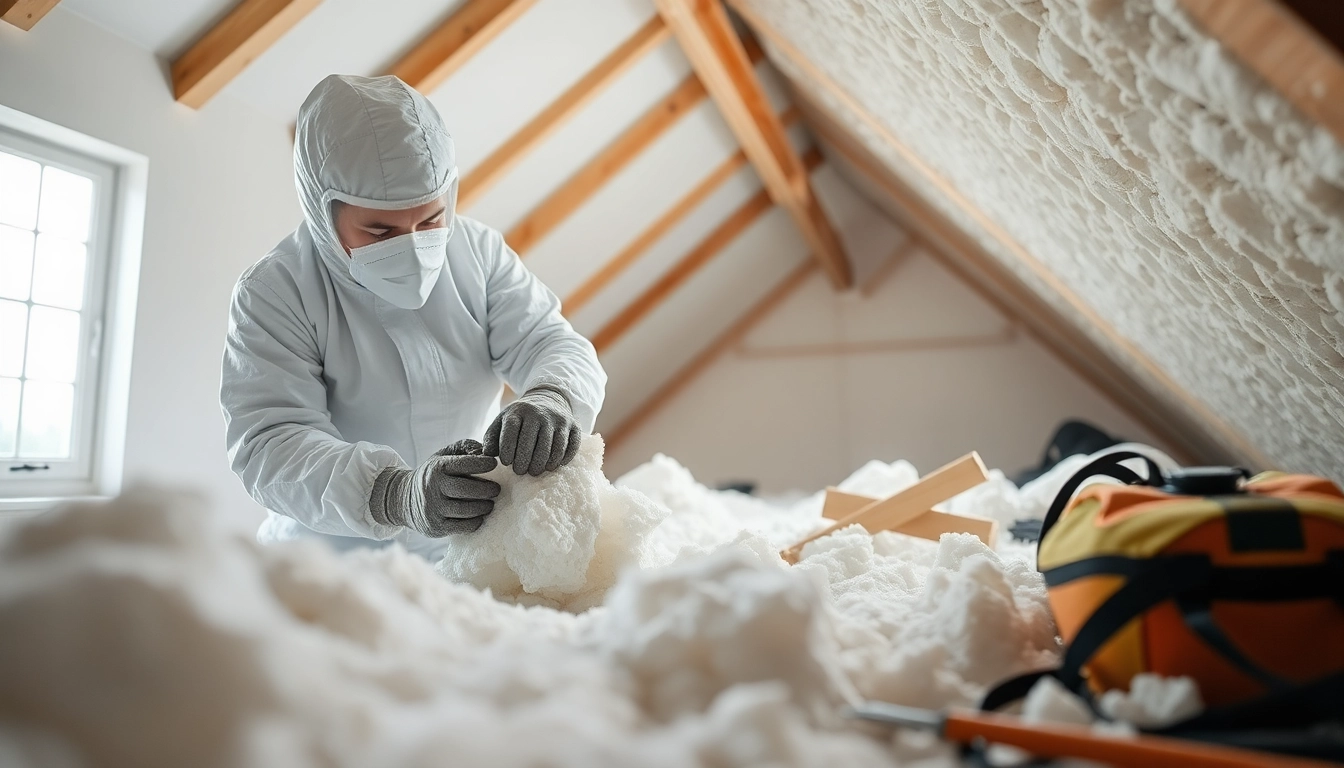
Understanding the Role of a Loft Insulation Removal Specialist
Maintaining optimal home insulation is vital for energy efficiency and comfort. When insulation becomes old or damaged, it can hinder performance and even lead to health concerns. This is where a loft insulation removal specialist plays a crucial role. Understanding their functions and the importance of their services can make a significant difference in your home maintenance efforts.
What Does a Loft Insulation Removal Specialist Do?
A loft insulation removal specialist primarily focuses on the safe and effective removal of insulation material from attics and lofts. Their expertise encompasses a range of insulation types, including fiberglass, cellulose, and spray foam. They are trained to identify and remove these materials without compromising the integrity of the home. Additionally, these specialists ensure that any hazardous substances, such as asbestos, are identified and handled according to safety regulations.
Benefits of Professional Insulation Removal
Hiring a professional for insulation removal offers numerous advantages:
- Expert Assessment: Specialists conduct thorough assessments to determine the insulation's condition and any hidden issues.
- Health and Safety: Professionals are equipped to handle hazardous materials safely, minimizing health risks for homeowners.
- Efficiency: With the right tools and experience, specialists can perform removal tasks more quickly than a DIY approach.
- Waste Management: They are knowledgeable in proper disposal methods for various insulation materials, ensuring environmental compliance.
Signs You Need a Specialist for Insulation Removal
Identifying when it’s time to contact a professional is crucial for maintaining your home. Here are clear indicators:
- Major energy bills increases, suggesting insulation inefficiency.
- Visible dampness or mold growth in the attic space.
- Infestations of pests, such as rodents, that may have damaged the insulation.
- Disturbing odors emanating from the loft area, indicating potential issues.
- Age of insulation—materials over 15 years old may not be providing effective insulation.
Common Challenges in Loft Insulation Removal
The process of removing loft insulation is not without its challenges. Understanding these can prepare homeowners for the process ahead.
Identifying Hazardous Materials
One of the primary challenges in loft insulation removal is identifying hazardous materials, such as asbestos or mold. These substances pose significant health risks if disturbed. Specialists are trained to recognize these hazards and follow protocols to manage their removal safely.
Methods for Safe Removal of Insulation
Safe removal methods vary based on the insulation type. Common methods include:
- Vacuum Removal: Specialized vacuums are used to suck up insulation material, reducing airborne dust.
- Hand Removal: For materials where vacuuming cannot be applied, careful hand removal may be executed.
- Containment Systems: In cases of hazardous materials, containment systems prevent the spread of contaminants.
Dealing with Hidden Damage in Attics
During removal, it’s common to uncover underlying issues such as water damage, structural weaknesses, or pest infestations. A loft insulation removal specialist will inspect for these problems and may recommend further remediation as necessary.
Best Practices for Loft Insulation Removal
For a successful insulation removal process, certain best practices should be followed.
Preparing Your Home for a Specialist's Visit
Preparation can enhance the efficiency of the removal process. Homeowners should:
- Clear access routes to the attic space.
- Move stored items away from the work area.
- Notify the specialist of any known hazards or issues in the loft.
Safety Measures to Consider
Safety should be a top priority during insulation removal. Here are vital measures:
- Use appropriate personal protective equipment (PPE), including masks, gloves, and goggles.
- Ensure proper ventilation in the attic area to minimize dust inhalation.
- Secure the rest of the home from disturbances during the removal process.
Post-Removal Cleaning and Maintenance Tips
After the removal process, it’s essential to conduct a thorough cleaning and inspect for any lingering issues:
- Remove all debris and displaced insulation material.
- Inspect the attic for leaks or damage that may need repair.
- Consider a new insulation installation if not planning for immediate replacement.
Comparing DIY vs. Professional Insulation Removal
Deciding between DIY and professional insulation removal involves weighing several pros and cons.
Advantages of Hiring Experts
Expertise offers distinct advantages, including:
- Time efficiency—professionals can complete the job quickly.
- Access to specialized tools and equipment.
- Knowledge of local regulations regarding hazardous materials disposal.
Potential Risks of DIY Removal
While DIY removal may seem cost-effective, it carries significant risks, such as:
- Improper handling of hazardous materials leading to health issues.
- Poor insulation removal techniques that can damage your home.
- The potential for legal consequences due to improper disposal of materials.
Cost Considerations for Professional Services
Understanding the costs associated with hiring a loft insulation removal specialist is crucial. Costs can vary based on:
- The type of insulation being removed.
- The size of the loft area.
- Any additional damages that may require repairs.
Investing in professional removal often saves money in the long run by preventing further damage and energy loss.
Frequently Asked Questions about Loft Insulation Removal
How Long Does the Loft Insulation Removal Process Take?
The duration can vary based on the insulation type and attic size, typically ranging from a few hours to a whole day.
Is It Safe to Remove Old Insulation Myself?
It's not recommended due to potential hazards, such as asbestos and exposure to harmful dust. Hiring a specialist is safer.
What Types of Insulation Can be Removed?
Common types of insulation removed include fiberglass batts, cellulose, rock wool, and spray foam insulation.
How Much Will It Cost to Hire a Removal Specialist?
Costs vary based on insulation type and attic size, generally ranging from a few hundred to a few thousand pounds.
What Should I Do After the Insulation is Removed?
After removal, inspect the attic for damages, clean thoroughly, and consider installing new insulation for improved energy efficiency.