Understanding AI for Students: An Overview
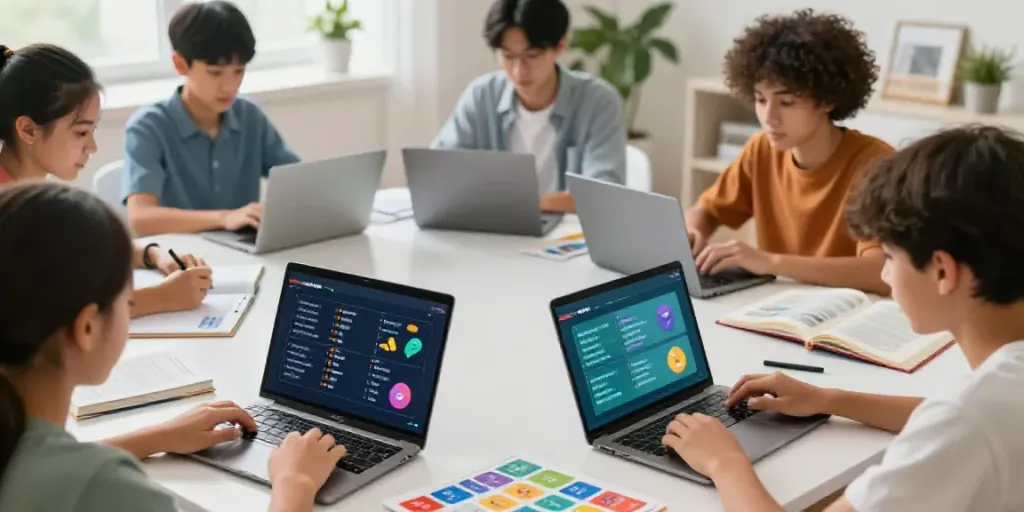
Artificial Intelligence (AI) is rapidly transforming various sectors, and education is no exception. The integration of AI into educational settings offers unprecedented opportunities to enhance student learning experiences. By leveraging technology, educators can customize lessons and provide instant feedback that addresses individual student needs. When exploring options, ai for students offers promising solutions that bridge gaps between students and teachers, ensuring personalized learning becomes a reality.
What is AI and Its Role in Education?
AI refers to the simulation of human intelligence in machines programmed to think and learn. In education, AI tools can analyze vast amounts of data to identify learning patterns, adapt content to meet student requirements, and predict academic performance. This capability allows teachers to develop tailored instructional strategies that cater to diverse learning styles, ultimately fostering an engaging classroom environment.
Key Benefits of Using AI for Students
The benefits of incorporating AI into educational frameworks are substantial:
- Personalized Learning: AI can adapt educational materials based on individual learning paces, ensuring that each student receives an education tailored to their unique needs.
- Real-Time Feedback: Students can receive instant feedback on assignments, quizzes, or projects, promoting active learning and quicker comprehension of subject matter.
- Increased Engagement: By integrating interactive AI tools, educators can create more engaging lessons that captivate students’ attention.
- Efficiency for Teachers: AI can automate administrative tasks, allowing teachers to focus more on instruction and less on paperwork.
Common Misconceptions About AI in Learning
Despite its benefits, misconceptions about AI persist. Many believe AI will replace teachers or diminish critical thinking skills in students. However, AI is designed to enhance the educational experience rather than replace human interaction. Educators remain integral to the learning process, using AI as a tool to foster deeper understanding and engagement.
How AI Facilitates Personalized Learning
Tailoring Lessons to Individual Learning Styles
AI's capability to analyze student performance data means lessons can be adapted in real-time. For example, if a student struggles with a specific math concept, the AI can modify the lesson plan to focus on that area, providing additional resources or alternative explanations. This targeted approach helps ensure that no student is left behind.
Real-time Feedback and Assessment through AI
One of the most significant advantages of AI in education is its ability to provide real-time assessments. Tools powered by AI can evaluate student responses instantly and offer feedback that helps refine their understanding on the spot. This immediate interaction encourages a habit of continuous improvement and motivates students to engage more deeply with the material.
Case Studies: Success Stories from Schools
Numerous schools have reported transformative results after integrating AI into their classrooms. For instance, a middle school in Florida implemented an AI-driven tutoring system that allowed students to practice math at their own pace. As a result, student performance improved significantly, with grades boosting an average of 15 percent within one semester.
Integrating AI Tools into the Classroom
Best Practices for Educators Using AI
To maximize the effectiveness of AI tools, educators should consider the following best practices:
- Training and Support: Ensure that all educators are adequately trained to use AI tools effectively.
- Set Clear Objectives: Define specific learning outcomes for integrating AI into lessons to measure its impact effectively.
- Foster Collaboration: Encourage collaboration between students and AI, allowing for a more dynamic learning environment.
Challenges in Implementing AI Solutions
While the benefits of AI in education are clear, challenges remain. Institutions may face issues such as budget constraints, a lack of technical expertise among staff, and resistance to change. Addressing these challenges is critical for successful implementation.
Tools and Technologies for Effective AI Utilization
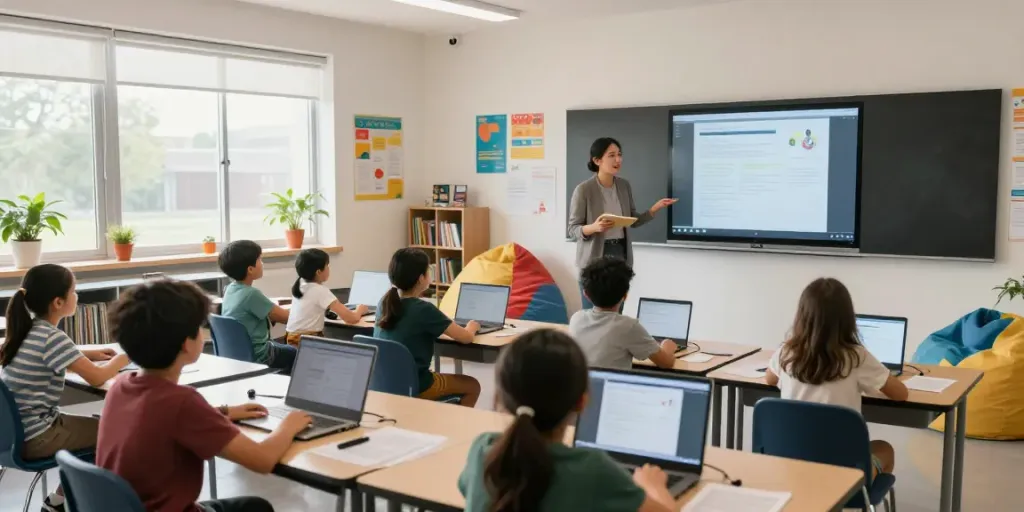
Several tools and technologies can enhance the utilization of AI in education. Platforms like SchoolAI offer a comprehensive suite of tools that empower teachers to create and manage personalized learning environments effortlessly. This includes features like real-time data analysis and adaptive learning paths that align with educational standards.
Ethics and Safety in AI for Students
Data Privacy Concerns in Educational AI
As educational institutions increasingly adopt AI technologies, data privacy becomes a critical concern. Schools must ensure that any AI tools they use comply with regulations to protect student information. Solutions must incorporate strict data security measures to mitigate risks associated with data breaches.
Creating a Safe Learning Environment
Creating a safe learning environment is paramount. AI tools should prioritize student welfare by monitoring online interactions and flagging any potential issues without compromising personal privacy. Educators need to remain involved to address students' emotional and social well-being effectively.
Guidelines for Responsible AI Use in Schools
Establishing guidelines for AI use in schools is vital to ensure ethical applications. These guidelines should address issues such as transparency of AI algorithms, consent for data usage, and mechanisms for accountability when using AI tools in educational contexts.
Future Trends in AI for Students (2026 and Beyond)
Emerging AI Technologies in Education
As the landscape of AI in education evolves, several emerging technologies are set to define future learning environments. Innovations like virtual reality (VR) combined with AI can create immersive learning experiences, helping students grasp complex concepts in engaging ways.
Predictions for AI's Role in Learning
Looking ahead, AI is expected to play a vital role in shaping personalized education. Predictions indicate a significant increase in AI-driven adaptive learning systems that will tailor educational experiences even more closely to individual learner needs.
Preparing Students for an AI-Driven Future
Students must be equipped with the skills necessary to thrive in an AI-driven world. This includes fostering critical thinking skills, emotional intelligence, and adaptability, ensuring they can navigate both academic and professional landscapes in the future.
What are the potential challenges ahead?
Challenges such as the digital divide, where access to AI technologies varies significantly, pose risks to equitable education. Educational institutions must strive to create inclusive policies that ensure all students can benefit from AI advancements in learning.