Understanding GRP: Properties and Benefits
Glass Reinforced Plastic (GRP), commonly known as fiberglass, is a composite material that integrates the lightweight and robust properties of glass fibers within a polymer resin matrix. This innovative material has revolutionized various industries, notably construction, automotive, and transport, offering solutions that traditional materials like steel and aluminum cannot match. As a leading GRP Manufacturer, Engineered Composites is at the forefront of producing high-performance GRP products that cater to diverse applications.
What is Glass Reinforced Plastic (GRP)?
Glass Reinforced Plastic is created through a process where glass fibers are embedded in a resin, resulting in a material that boasts exceptional strength, durability, and resistance to corrosion. Due to its lightweight nature and outstanding mechanical properties, GRP is an excellent alternative to traditional building materials. It can be molded into intricate shapes, offering considerable flexibility in design and application.
Key Advantages of Choosing GRP Products
- Lightweight: GRP is significantly lighter than metals, making it easier and cheaper to transport and handle during installation.
- Corrosion Resistance: GRP does not rust, ensuring longevity and reducing the need for frequent replacements.
- Non-Conductive: This property enhances electrical safety, making GRP ideal for various industrial applications.
- Low Maintenance: GRP products require minimal maintenance, which translates to lower lifecycle costs.
- Customizable: Manufacturers can easily tailor GRP products to meet specific project requirements.
Comparative Analysis: GRP vs. Steel and Aluminium
When comparing GRP with steel and aluminum, several distinct advantages become apparent. While steel is renowned for its strength, it is also heavy and prone to corrosion, requiring protective coatings that can lead to increased maintenance costs. Aluminium, although lighter than steel, tends not to have the same level of chemical resistance as GRP. GRP, being both lighter and resistant to chemical degradation, presents a cost-effective and efficient choice for sectors ranging from infrastructure to marine applications.
Manufacturing Excellence: Quality Control in GRP Production
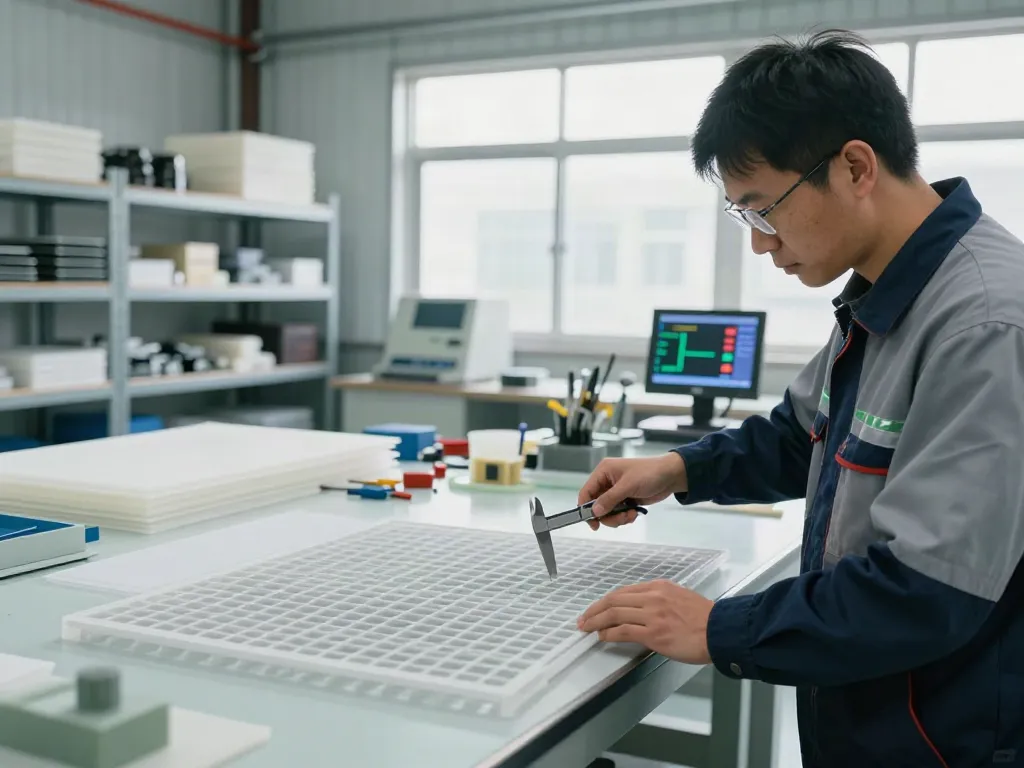
Quality is at the heart of what defines a reputable GRP manufacturer. Engineered Composites adheres to rigorous quality control processes, ensuring that every product meets the highest standards.
ISO 9001 Certification and Its Importance
ISO 9001 certification represents a commitment to quality management and continuous improvement. By adhering to this standard, a GRP manufacturer can ensure consistency in product quality and customer satisfaction. Engineered Composites is proud to maintain ISO 9001 certification, which reflects its dedication to providing reliable and compliant GRP solutions.
Testing and Compliance: Meeting Industry Standards
All products undergo comprehensive testing to meet industry standards such as BS EN 13706 for performance and safety. This guarantees that GRP products are not only durable but also suitable for demanding applications across various sectors, including construction and transportation.
Real-World Applications: Success Stories in Manufacturing
One notable application of GRP is in the creation of lightweight walkways and platforms in industrial settings. These structures provide safe access in locations that experience heavy traffic while benefiting from GRP’s slip-resistant surface and weatherproof capabilities.
GRP in Outdoor Environments: Durability and Performance
When it comes to outdoor applications, GRP products stand out for their ability to withstand environmental stresses. They are ideal for marine, infrastructural, and recreational uses, ensuring longevity regardless of the conditions.
Weather Resistance and UV Stability of GRP Products
GRP's formulation includes UV stabilizers that protect against sun damage, making it an excellent choice for structures exposed to harsh weather conditions. This means that GRP products maintain their structural integrity and aesthetic appeal over time, which is crucial for outdoor installations.
Applications in Marine and Infrastructure Projects
In marine environments, GRP is used for docks, walkways, and other structures that require resistance to saltwater corrosion. Its lightweight nature facilitates easier installation while remaining robust enough to handle the rigors of marine applications.
Maintenance Requirements for Long-Lasting Performance
GRP’s surface is smooth and easy to clean, requiring only occasional washing with mild soap and water. This low maintenance attribute is a significant advantage for facilities looking to reduce operational downtime and maintenance costs.
Customization and Flexibility: Adapting GRP for Specific Needs
The flexibility of GRP extends beyond its material properties; it also encompasses manufacturing capabilities that allow for customized solutions tailored to specific project requirements.
Cutting and Drilling GRP: On-Site Adjustments
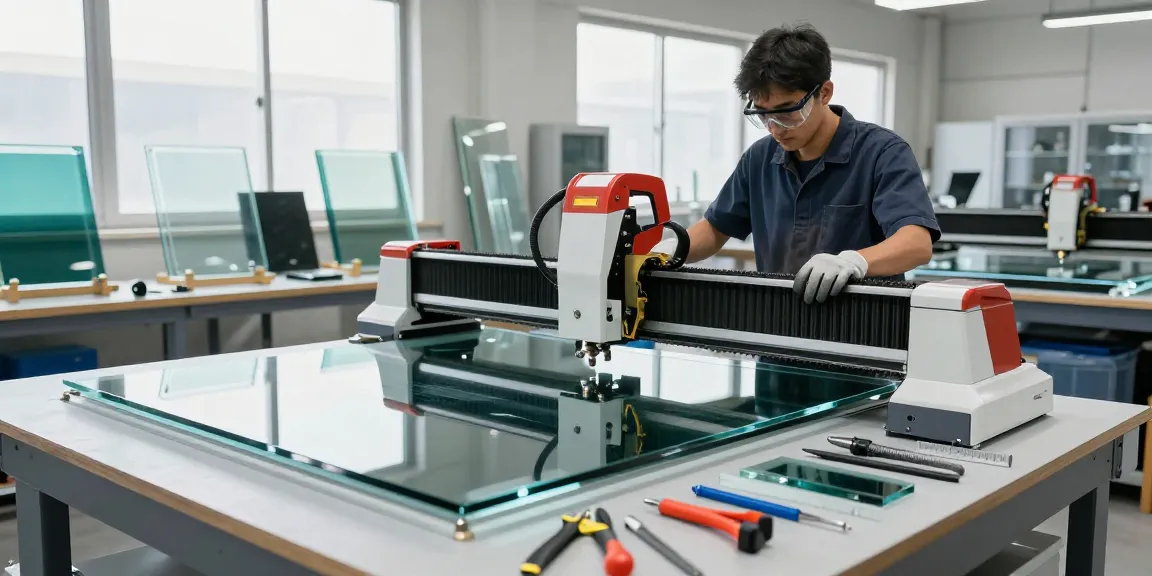
One of the significant benefits of GRP products is their ability to be cut or drilled on-site with standard tools. This allows for precise adjustments and modifications during installation, ensuring that all components fit exactly as needed.
Tailored Solutions for Diverse Industries
GRP can be engineered for a broad spectrum of applications, from structural support in construction projects to safety barriers in transportation systems, showcasing its versatility across various industries.
Case Studies: Bespoke GRP Applications
Several case studies illustrate the adaptability of GRP. For instance, a leading construction firm recently utilized GRP for a unique architectural project that demanded lightweight panels with high aesthetic value without compromising strength.
The Future of GRP Manufacturing: Trends and Innovations for 2026
Looking towards the future, several trends are shaping the GRP manufacturing landscape, emphasizing sustainability, technological innovations, and market growth.
Sustainability and Recycling in GRP Production
Sustainability is a growing concern for manufacturers and consumers alike. As a result, the focus on recycling GRP materials and utilizing sustainable practices is becoming paramount, with businesses exploring ways to repurpose waste from GRP production.
Emerging Technologies in GRP Manufacturing
New technologies in polymer science and manufacturing processes are continuously evolving. Innovations such as 3D printing of GRP components are becoming increasingly prevalent, allowing for enhanced design capabilities and reduced material waste.
Market Trends: Shaping the Future of GRP Use
The global demand for GRP products is expected to rise significantly as industries seek efficient, sustainable solutions. Increased investments in infrastructure and construction projects will likely drive this demand, positioning GRP manufacturers for substantial growth.
What are the benefits of using GRP in construction?
GRP offers unique advantages in construction, including high strength-to-weight ratio, low maintenance requirements, and resistance to corrosion and chemicals, making it suitable for demanding environments.
How long can GRP products typically last?
With a lifespan that often exceeds 50 years, GRP products present a long-term investment for projects requiring durability and resilience.
What safety standards does GRP comply with?
GRP products from reputable manufacturers comply with stringent safety standards, including fire ratings under BS 476 Part 7 and structural performance requirements outlined in BS EN 13706.
Is GRP a viable option for corrosive environments?
Yes, GRP’s excellent corrosion resistance makes it ideal for use in harsh environments, including chemical processing facilities and marine applications.
How can I get a quote for GRP products?
To obtain a quote, interested parties should reach out to a GRP manufacturer like Engineered Composites via their online form or contact number, ensuring a prompt response to inquiries.