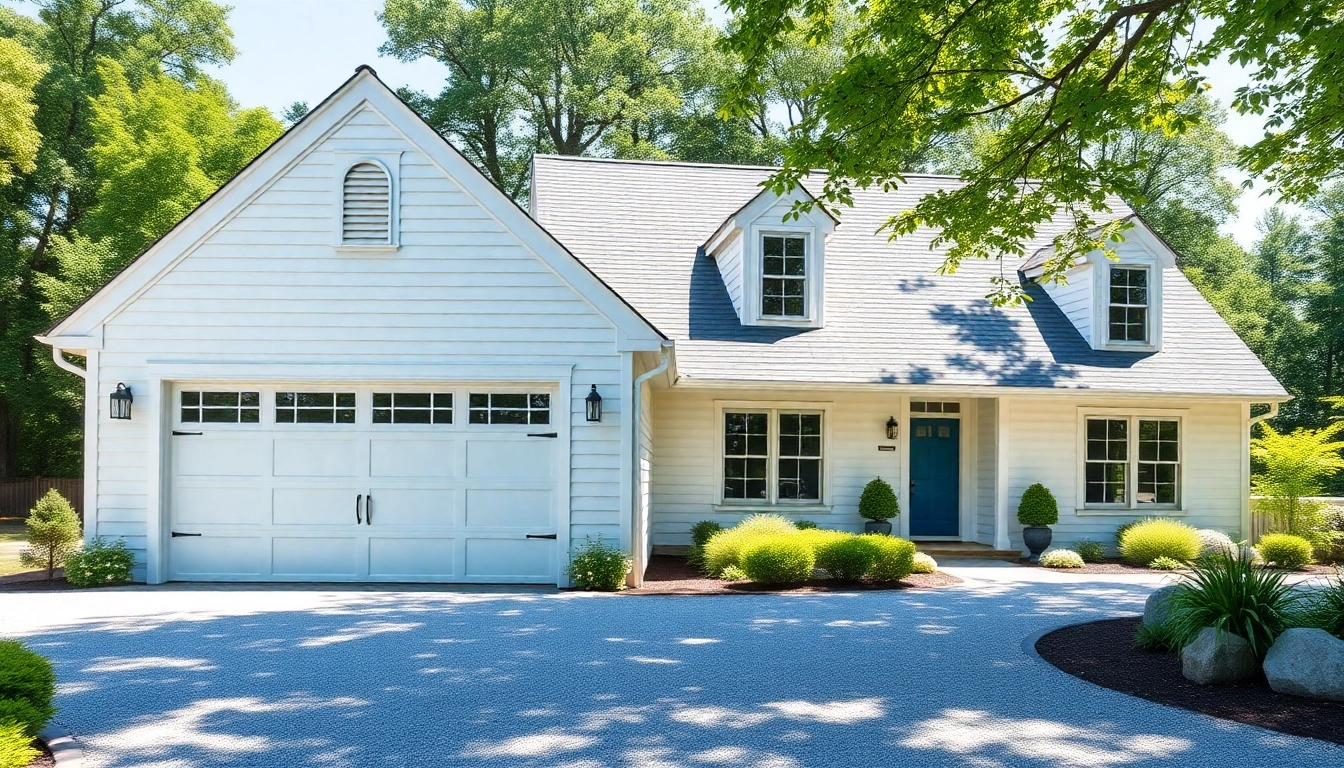
The Charm of Cape Cod Homes
In the realm of American architecture, cape cod homes stand out for their unique blend of simplicity, functionality, and coastal charm. Originating in the early 1600s, these homes have evolved while retaining their quintessential elements, making them a beloved style in numerous regions, especially in New England. This article delves into the features, expansion possibilities, garage designs, and landscaping that encapsulate the enduring appeal of Cape Cod homes.
Understanding Cape Cod Architecture
At its core, Cape Cod architecture is characterized by a distinct style reflective of the region's climate and historical context. Traditionally, these homes feature a steep-pitched roof, symmetrical facade, and dormer windows. This roof design not only enhances aesthetics but also helps in shedding snow, a practical feature for the New England winters.
Historically, the homes were built using timber-frame construction, prevalent in the early American colonial period. The use of wood allows for adaptability and has led to the extra appeal of these homes, where variations reflect homeowners' tastes while staying true to the original design principles.
Distinctive Features of Cape Cod Homes
Several features set Cape Cod homes apart:
- Steep Roofs: Typically slanted at a 45-degree angle, these roofs help with snow runoff and add a distinct silhouette that is aesthetically pleasing.
- Symmetry: Cape Cod homes are typically organized around a central feature, often a front door, flanked by windows, emphasizing balance.
- Dormer Windows: These protruding windows not only enhance interior light but also add character to the roofline, providing additional usable space in the upper floors.
- Natural Materials: Local materials like wood and shingles lend authenticity and help the homes to blend seamlessly with their natural surroundings.
- Functional Layouts: The interior layouts are typically open and practical, fostering an environment of comfort and ease, perfect for family gatherings.
Why Choose Cape Cod Style?
Selecting the Cape Cod style for your home or expansion offers numerous benefits:
- Timeless Appeal: Their classic design ensures that they remain relevant and attractive through changing architectural trends.
- Energy Efficiency: Well-insulated roofs and walls provide energy efficiency, crucial for maintaining comfortable temperatures year-round.
- Adaptability: They can be easily modified or expanded to accommodate a growing family or shifting lifestyle needs while maintaining their fundamental charm.
- Strong Resale Value: Homes that portray this style tend to appreciate in value, given their popularity among buyers prioritizing classic charm blended with modern amenities.
Plans for Expansion: What You Need to Know
If you are considering expanding your Cape Cod home, it is important to engage in careful planning to ensure you maintain the aesthetic and functionality that characterized the original structure.
Key Considerations for Your Expansion
When planning an expansion, pay heed to the following aspects:
- Architectural Harmony: Ensure that any expansions blend seamlessly with the existing architectural style. Retaining the roof slope, window types, and siding materials is crucial.
- Functionality: Analyze how the new space will serve your household needs. This may include adding bedrooms, bathrooms, or a family entertainment area, keeping function at the forefront.
- Budget Management: Develop a realistic budget that not only considers construction costs but also unforeseen expenses that may arise during the project.
Balancing Aesthetics and Functionality
Striking a balance between aesthetics and functionality is vital. The charm of Cape Cod homes lies in their simple yet effective design. Consider consulting with architects who specialize in this style to ensure your enhancements align with the original characteristics.
Innovative solutions such as open-concept layouts or multi-functional spaces can help achieve this balance while increasing the home's practicality without compromising its aesthetic integrity.
Regulatory Guidelines and Permits
Be mindful of local building codes and zoning regulations, as they vary significantly from one area to another. Consult your local planning authority to understand:
- Permits Required: Most expansions will require various permits to ensure compliance with safety and zoning laws.
- Setback Restrictions: Understand the distance your home must be from property lines, which can impact your expansion plans.
- Historical Considerations: If your home is in a historical district, there may be additional guidelines to preserve architectural integrity.
Incorporating an Attached Garage: Benefits and Designs
Adding an attached garage to your Cape Cod home is a practical decision that provides security for your vehicle and can enhance the usability of your property.
Design Ideas for Attached Garages
Creating a seamless transition between your house and garage is key. Here are some design concepts to consider:
- Matching Exterior: Use similar siding and roofing materials to ensure that the garage blends with the overall architecture of your home.
- Functional Entryways: Consider adding a doorway leading from the garage into a mudroom or directly into the home's main living space for convenience.
- Natural Light: Including windows or skylights in the garage allows for ample light, making it a pleasant space while working or parking.
Integrating Storage Solutions in Your Garage
Maximize the utility of your attached garage with smart storage solutions:
- Vertical Storage: Utilize wall-mounted shelves and cabinets to free up floor space and maintain organization.
- Built-in Cubbies: Create built-ins for tools and equipment, preventing clutter while ensuring easy access when needed.
- Multi-Functional Spaces: If space allows, consider adding a small workspace, such as a bench, for DIY projects, further increasing the garage's utility.
Maximizing Curb Appeal with a New Garage
Adding a garage can enhance your home's curb appeal when done right. To achieve this:
- Landscaping: Surround your garage with native plants and shrubs that complement the landscape to enhance the transition.
- Lighting: Exterior lighting fixtures can accentuate architectural features while improving functionality during evening hours.
- Color Coordination: Choose paint or stains that complement your home’s color palette for a harmonious look.
Landscaping Around Your Cape Cod Home
Proper landscaping can unify your Cape Cod home and its surroundings, enhancing its charming appearance while increasing property value.
Designing A Cohesive Outdoor Space
Begin your landscaping design by aligning it with the architectural features of your Cape Cod home. Consider:
- Natural Pathways: Create walkways using local stone or brick that lead to your entrance, acting as a guide while adding texture and color.
- Patios and Decks: Utilize natural materials that echo the coastal environment, allowing for outdoor seating areas that can be enjoyed through varying seasons.
- Focal Points: Install features like birdbaths or decorative planters to add focal points in your garden, enriching its visual appeal.
Seasonal Landscaping Tips
Ensure that your landscape remains appealing throughout the year with seasonal adjustments:
- Spring: Plant vibrant flowers and consider early bloomers for color.
- Summer: Maintain lush greenery with regular watering, and plan for shade areas with pergolas or umbrellas.
- Fall: Embrace autumn colors by planting deciduous trees that reflect the season's aesthetic.
- Winter: Enhance winter aesthetics with evergreen shrubs and twinkling lights for a festive atmosphere.
Choosing Native Plants for Easy Maintenance
Opting for native plants ensures that your landscaping thrives naturally with minimal intervention. Native plants usually require less water, are more resistant to pests, and support local flora and fauna. Some excellent options for Cape Cod include:
- Virginia rose: A hardy plant that thrives in sandy soil and offers beautiful blooms.
- Beach grass: Ideal for coastal areas, it prevents erosion and requires minimal upkeep.
- Butterfly bush: Attracts local pollinators while maintaining a visually appealing garden area.
FAQs about Cape Cod Homes
What defines Cape Cod homes?
Characterized by steep roofs, dormer windows, and symmetrical shapes, Cape Cod homes exude a quaint and coastal charm.
Can I expand my Cape Cod home?
Yes, many homeowners pursue expansions, focusing on enhancing existing structures while maintaining aesthetic harmony.
What styles complement Cape Cod homes?
Styles such as Colonial and New England traditional work beautifully with Cape Cod architecture, enhancing overall appeal.
Are there specific landscaping styles for these homes?
Coastal and native plant landscaping styles work well, providing sustainability that complements the classic aesthetic of Cape Cod homes.
How can I improve energy efficiency in my Cape Cod house?
Consider upgrading windows, adding insulation, and utilizing energy-efficient appliances to enhance comfort and reduce costs.