Understanding Grey Vinyl Flooring
What is Grey Vinyl Flooring?
Grey vinyl flooring represents a versatile and stylish option for both residential and commercial spaces. It is crafted from synthetic materials, predominantly polyvinyl chloride (PVC), making it a durable floor covering ideal for high-traffic areas. With a broad range of colors and finishes, including the elegant tones of grey, this flooring option effortlessly mimics the appearance of natural materials like wood and stone. The unique production techniques involved provide realistic textures and a visually appealing aesthetic, appealing to homeowners and designers alike.
Benefits of Using Grey Vinyl Flooring
Opting for grey vinyl flooring brings forth numerous advantages. One of its primary benefits is its outstanding resistance to moisture, making it an excellent choice for kitchens, bathrooms, and basements. Moreover, this flooring is inherently easy to clean and maintain, requiring only regular sweeping and occasional mopping.
Additionally, grey vinyl flooring is softer underfoot compared to harder materials, providing comfort and warmth. Its durability ensures that it stands up against scratches and dents, prolonging its lifespan even in the face of heavy usage. Furthermore, it comes in multiple styles and designs, allowing for seamless integration into various interior designs.
Common Applications for Grey Vinyl Flooring
Thanks to its versatility, grey vinyl flooring can adapt to numerous settings. Common applications include:
- Residential Homes: Perfect for living rooms, dining areas, and kitchens.
- Commercial Spaces: Often found in offices, retail shops, and restaurants for its durability.
- Institutional Settings: Use in schools and healthcare facilities due to its ease of maintenance and hygiene.
- Bathrooms and Basements: Ideal in moisture-prone areas due to its waterproof characteristics.
Different Styles of Grey Vinyl Flooring
Sheet vs. Plank Flooring: Which is Best?
When considering grey vinyl flooring, one of the first decisions to make is whether to choose sheet or plank styles. Sheet vinyl flooring comes in large rolls, offering a continuous surface that minimizes seams, which can be beneficial in wet areas. Plank vinyl, on the other hand, typically comes in individual pieces that resemble hardwood planks. This style allows for unique layout possibilities and can enhance the aesthetic appeal with different patterns and arrangements.
The choice between sheet and plank depends on the specific requirements of your space, such as the desired look and ease of installation. For example, sheet vinyl may be more suitable for larger spaces, while plank vinyl can provide a more customized appearance, mirroring the intricate details of hardwood floor designs.
Trendy Patterns and Textures in Grey Vinyl Flooring
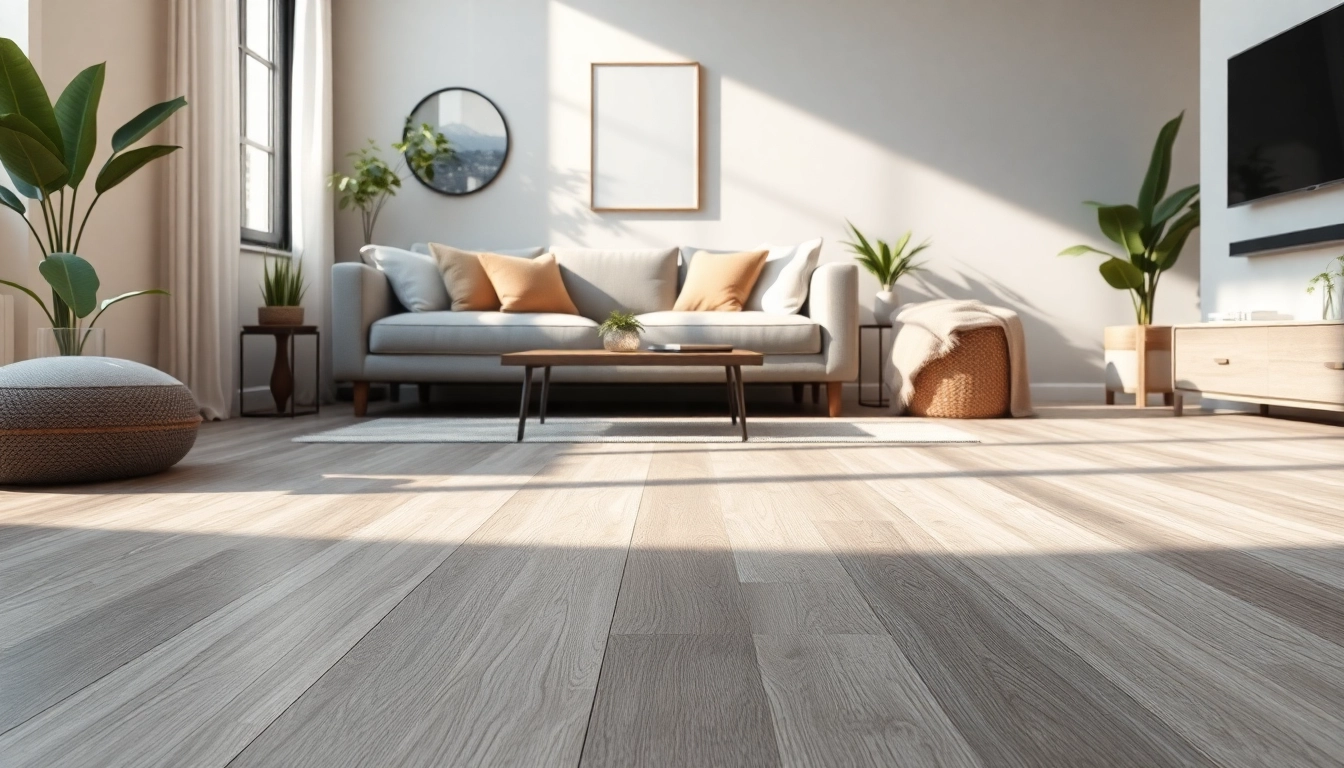
Grey vinyl flooring is available in a multitude of patterns and textures that mimic natural materials. Popular trends include wood grain finishes, stone textures, and intricate tile patterns. With advances in printing technology, manufacturers can create realistic designs that enhance the overall visual appeal of a space. Additionally, embossed finishes that replicate textures add depth and tactile interest to the flooring, making it an exciting choice for design-conscious consumers.
Choosing the Right Finish for Your Space
When selecting grey vinyl flooring, the finishing option is crucial. Finishes can affect not only the aesthetic but also the functionality of the flooring. Glossy finishes tend to be more reflective and can brighten a space but may require more maintenance to stay looking pristine. Conversely, matte finishes offer a more subdued look and are often preferred for their ability to hide fingerprints and dirt more effectively.
It’s essential to consider the traffic level and usage of the area where the flooring will be installed. High-traffic areas may benefit from finishes that offer added durability and a more slip-resistant surface to ensure safety and longevity.
How to Install Grey Vinyl Flooring
Preparation Steps Prior to Installation
Before installing grey vinyl flooring, thorough preparation is critical to achieving optimal results. First, ensure the subfloor is clean, dry, and level. This may involve repairing cracks, removing old flooring, or even leveling uneven surfaces. Proper acclimatization of the vinyl planks or sheets is also necessary; allow them to adjust to the room’s temperature and humidity for at least 48 hours before installation. Finally, gather all necessary tools, including a utility knife, measuring tape, and adhesive (if required).
Installation Techniques for a Perfect Fit
Installation techniques vary based on the type of grey vinyl flooring chosen. For sheet vinyl, it is common to apply adhesive to the subfloor and carefully lay the vinyl, ensuring no bubbles or wrinkles form. For plank vinyl, a click-lock installation method is popular, allowing the planks to snap together without adhesive, making the process quicker and less labor-intensive. Whatever method is chosen, ensure that the flooring is securely fitted and any seams are properly aligned to prevent future issues.
Post-Installation Care for Longevity
Once the flooring is installed, proper post-installation care is vital. For at least 48 hours after installation, avoid walking on the floor or placing furniture to ensure the vinyl adheres correctly to the subfloor. After this period, begin regular maintenance by promptly cleaning up spills and using a suitable cleaner to maintain the finish. Establishing a cleaning routine can significantly extend the life of your grey vinyl flooring.
Maintaining Your Grey Vinyl Flooring
Day-to-Day Cleaning Tips
Maintaining grey vinyl flooring doesn’t have to be complex. A simple regimen of sweeping or vacuuming regularly to prevent dirt build-up will suffice. For deeper cleaning, use a damp mop with a mild floor cleaner specifically formulated for vinyl. It’s important to avoid harsh chemicals and abrasives, as they can damage the surface finish. Maintaining area rugs at entry points can also help reduce dirt tracked into your home.
Deep Cleaning and Restoration Techniques
Occasionally, a deeper clean may be necessary to restore your grey vinyl flooring’s luster. This can involve using a vinyl floor scrubber for tougher stains or built-up grime. For residential spaces, you can also utilize a steam cleaner, but always ensure the flooring is rated for this treatment. In case of scratches or signs of wear, applying a vinyl floor restorer can help rejuvenate the look without the need for complete replacement.
Common Mistakes to Avoid
When caring for grey vinyl flooring, be mindful of a few common pitfalls. Avoid excessive water exposure as it can seep into seams and cause damage. Steer clear of harsh or abrasive cleaning tools that can scratch the surface. Additionally, neglecting to place furniture pads can lead to indentations. Finally, don’t ignore the importance of regular maintenance; overlooking it can result in the slow degradation of the flooring’s appearance over time.
Frequently Asked Questions About Grey Vinyl Flooring
Is grey vinyl flooring waterproof?
Yes, grey vinyl flooring is generally waterproof, making it suitable for wet areas like kitchens and bathrooms.
How does grey vinyl flooring compare to hardwood?
Grey vinyl flooring offers a similar aesthetic to hardwood at a lower cost, with enhanced durability and moisture resistance.
What is the lifespan of grey vinyl flooring?
With proper care, grey vinyl flooring can last between 10 to 20 years, depending on the quality and installation method.
Can grey vinyl flooring be installed over existing floors?
Yes, grey vinyl flooring can often be installed over existing floors, provided they are clean, level, and free of moisture issues.
What styles pair well with grey vinyl flooring?
Grey vinyl flooring complements various styles, including modern, farmhouse, and industrial designs. It can also blend nicely with warm or cool color palettes.