
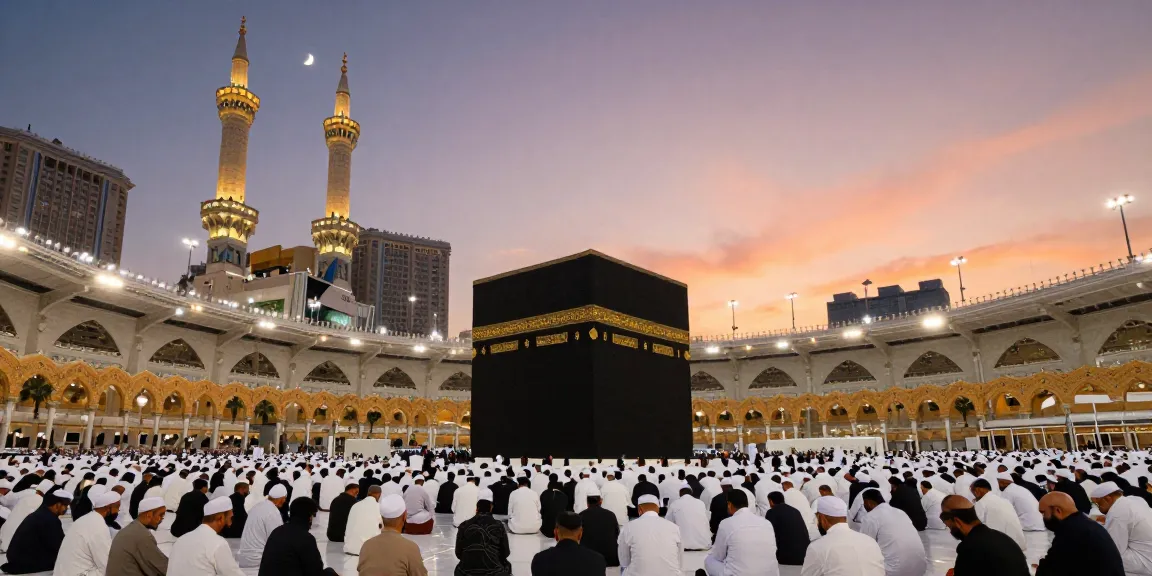
The Essence of umroh Itikaf: Understanding Its Significance
Embarking on a spiritual journey during the holy month of Ramadan is a transformative experience, particularly when participating in umroh Itikaf. This unique act of devotion allows worshippers to immerse themselves in profound prayers, reflection, and community bonding, all set within the sacred cities of Mecca and Medina. With every corner of these divine places echoing with the verses of the Quran and the spirit of unity, it becomes essential to understand what umroh Itikaf truly entails and how to embark on this journey meaningfully.
1. What is Umroh Itikaf?
Umroh Itikaf refers to the practice of secluding oneself in the mosque, particularly during the last ten nights of Ramadan. This ritual signifies a complete devotion to prayer, supplication, and meditation, allowing participants to deepen their relationship with Allah. Unlike the general pilgrimage, Itikaf fosters a spiritual sanctum where worshippers can disconnect from worldly distractions and focus entirely on their faith.
2. The Spiritual Benefits of Umroh Itikaf
The spiritual benefits of engaging in Itikaf are immense. Attendees often experience a heightened sense of awareness and connection to their faith. The serene environment of the mosques serves as a backdrop for intense reflection and prayer, amplifying the potential rewards of worship. Itikaf allows individuals to seek forgiveness, engage in community support, and gain spiritual clarity, making it an essential experience during Ramadan.
3. Historical Context and Practices of Itikaf
The tradition of Itikaf has roots in Islamic history, tracing back to the Prophet Muhammad’s move to meditate during the month of Ramadan. Historically, Itikaf has been regarded as a way to renew one’s faith and devotion, which remains vital in today’s fast-paced world. The practices surrounding Itikaf have evolved while maintaining their core essence, emphasizing solitude, prayer, and community.
Choosing the Right Program: Awal Ramadan vs Full Ramadan
Deciding whether to embark on an Awal Ramadan or Full Ramadan Umroh can profoundly impact your spiritual experience. Different programs cater to varied preferences and worship goals. This leads us to explore the expectations and nuances of each option, allowing for a well-informed decision.
1. What to Expect During Awal Ramadan Programs
The Awal Ramadan program is designed for those seeking to begin the holy month with a focus on worship. Participants typically enter Mecca with excitement, warmly welcomed into an enriching environment ripe for learning and collective devotion. Such programs often make accommodations easily accessible, allowing worshippers proximity to sacred sites, ensuring the experience is both convenient and spiritually fulfilling.
2. Full Ramadan: A Complete Immersion Experience
The Full Ramadan program dives deeply into the month’s blessings. The opportunity to partake in all aspects of worship—from daily prayers to community meals—fuels a rich connection to fellow Muslims from around the world. The feeling of shared purpose and diversity within the congregation contributes greatly to the spiritual ambiance, marking Full Ramadan as a profound choice for deepening faith.
3. Cost Comparisons: Budgeting for Your Umroh Journey
When choosing between Awal and Full Ramadan Umroh, budgeting remains a critical aspect. The cost varies based on services, accommodation quality, and duration. It is essential to do thorough research on various packages offered. For instance, the Full Ramadan option generally incurs higher costs due to increased demand and comprehensive amenities; however, the spiritual enrichment may outweigh additional expenses for many pilgrims.
Must-Visit Locations During Your Itikaf Journey
The journey through the holy cities of Mecca and Medina is enriched by numerous historical sites and spiritual landmarks. Planning your visits to these remarkable locations ensures a holistic Umroh experience. Here, we will explore some of the must-visit places that create unforgettable memories and deepen one’s faith.
1. Historical Sites in Mecca and Medina
Mecca’s Kaaba is undoubtedly the spiritual epicenter where pilgrims gather to perform Tawaf. Additionally, visiting Mt. Arafat, where pivotal moments in Islamic history occurred, provides context to your spiritual journey. In Medina, the Prophet’s Mosque stands as a beacon of serenity and contemplation, further captivating worshippers with its rich history and stunning architecture.
2. Best Hotels Near Masjid al-Haram
When planning your stay, the location of your accommodation is vital. Hotels close to Masjid al-Haram often come with amenities that enhance your Umroh experience, including access to communal iftar meals and prayer schedules. Notable options include luxury hotels like the Makkah Clock Royal Tower and affordable yet comfortable stays around the Al Haram area that cater to all budgets.
3. Unique Experiences in the Holy Cities
Don’t miss the chance to immerse yourself in unique experiences, such as partaking in the vibrant communal iftar during Ramadan, participating in group prayers, and attending Quran recitation classes. Additionally, exploring local markets where traditional Islamic crafts and foods are sold can be a delightful addition to your pilgrimage.
Travel Planning for umroh Itikaf: Tips and Recommendations
Effective travel planning is essential for ensuring a fulfilling and hassle-free Umroh ITikaf experience. Discovering the best deals, preparing physically and spiritually, packing essentials, and securing travel insurance are key to a smooth journey.
1. Flight Deals and Booking Strategies for Ramadan
Securing the best flight deals is crucial when planning your journey during Ramadan. Early booking can often yield significant savings, especially for popular airlines that service routes to Saudi Arabia. Monitor travel websites for discounted fares and consider flexible dates to avoid peaks in ticket pricing.
2. Packing Essentials for a Spiritual Journey
Careful packing can significantly impact your travel experience during Itikaf. Essential items include modest clothing suitable for prayer, personal hygiene products, a prayer mat, and spiritual books. Don’t forget lightweight luggage that is easy to maneuver around crowded areas.
3. Travel Insurance: Protecting Your Sacred Trip
Your spiritual journey is significant; hence, considering travel insurance is wise. Coverage for medical emergencies, trip cancellations, and lost belongings offers peace of mind when traveling. Look for policies specifically tailored for religious pilgrimages to ensure you meet all requirements and coverage limits.
Frequently Asked Questions About umroh Itikaf
As you prepare for your Umroh Itikaf journey, several questions might arise that require clarity. Below are some FAQs that often help potential pilgrims feel more informed and comfortable with their decisions.
1. What are the requirements for participating in Itikaf?
Generally, participants should be of sound mind, practicing Muslims, and possess the intention to seek closeness to Allah during the sanctified period. Specific guidelines may vary based on local imam’s advice.
2. How to prepare spiritually for Umroh Itikaf?
Preparation for Itikaf begins well before your pilgrimage. Engage in prayer, read the Quran, and participate in community activities that foster a deeper connection with your faith and fellow believers.
3. Can families participate in Itikaf together?
Families are welcome to join Itikaf, and many enjoy participating together. It fosters a sense of community and shared spiritual growth, allowing family members to support and encourage each other throughout the experience.