

Understanding Smart Sprinklers: What You Need to Know
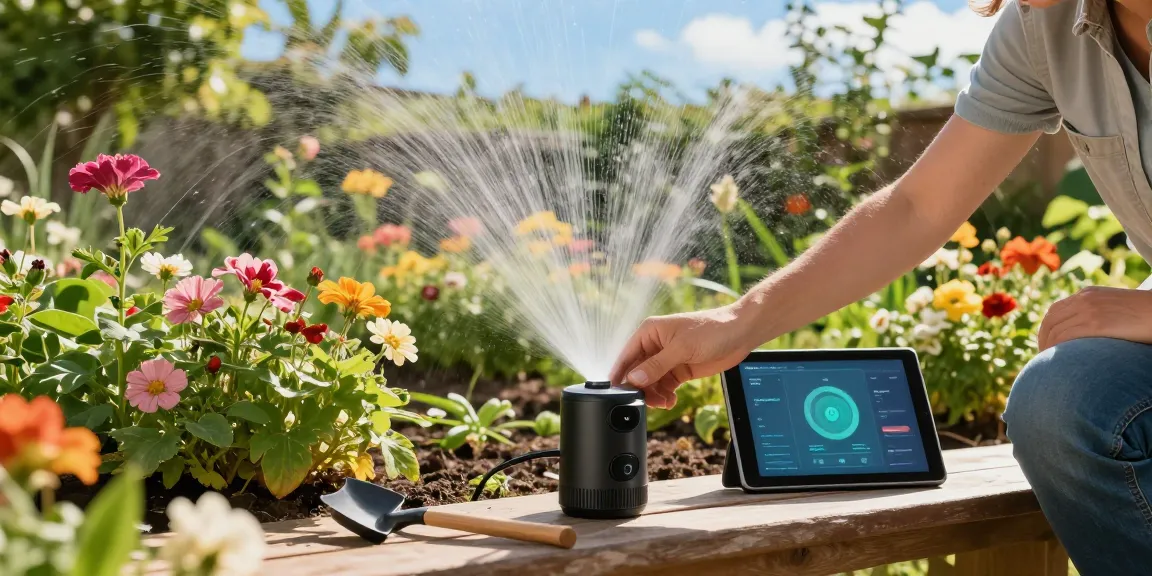
Smart sprinkler systems have revolutionized the way we approach garden and landscape irrigation. These innovative technologies not only optimize water usage but also enhance plant growth by providing precise environmental controls. The ability to adjust watering schedules based on real-time data ensures that every drop of water is used effectively, leading to lush gardens and reduced utility bills. When exploring options, smart sprinkler systems offer a comprehensive solution to modern irrigation challenges.
What is a Smart Sprinkler System?
A smart sprinkler system integrates advanced technology to automate and optimize watering schedules. Unlike traditional irrigation systems, smart sprinklers utilize various sensors to monitor environmental conditions such as soil moisture, temperature, and even weather forecasts. This real-time data enables the system to adjust watering schedules accordingly, ensuring that plants receive the right amount of water at the right time.
How Smart Sprinklers Save Water
One of the primary advantages of smart sprinklers is their ability to conserve water. By monitoring soil moisture levels, these systems only activate when necessary, drastically reducing the risk of overwatering. For instance, if rain is forecasted, the system can skip scheduled watering sessions, preventing water waste. This targeted approach not only benefits the environment but also translates to significant savings on water bills, making smart sprinklers a wise investment for any homeowner.
Benefits of Using Smart Sprinklers for Your Garden
- Improved Plant Health: By providing consistent moisture levels tailored to each plant’s needs, smart sprinklers contribute to healthier growth and more vibrant gardens.
- Scheduling Flexibility: Users can easily adjust watering times and durations through mobile apps, ensuring that even vacationers can maintain their gardens effortlessly.
- Data Insights: Many smart systems offer analytics on water usage, allowing users to make informed decisions about irrigation practices and plant care.
- Reduced Labor: With automated watering, gardeners can save time on maintenance and focus more on enjoying their outdoor spaces.
Setting Up Your Smart Sprinkler System
Choosing the Right Smart Sprinkler for Your Needs
Selecting the best smart sprinkler system depends on various factors, including garden size, plant types, and specific features desired. Homeowners should consider models that integrate easily with existing setups and offer features like Wi-Fi connectivity, mobile app compatibility, and customizable watering schedules. Those with larger gardens may opt for systems that can control multiple zones independently, ensuring that different plant types receive the care they require.
Step-by-Step Installation Guide
Installing a smart sprinkler system can be a straightforward process. Here’s a general step-by-step guide:
- Gather Necessary Tools: Before starting, ensure you have the required tools, including screwdrivers, pliers, and any necessary adapters.
- Turn Off Water Supply: Begin by turning off the water supply to your existing sprinkler system to prevent any leaks during installation.
- Set Up the Controller: Mount the smart sprinkler controller in an accessible location and connect it to your water supply lines.
- Link the Sensors: If your system includes soil moisture sensors, place them at varying depths in the soil around your garden.
- Connect to Wi-Fi: Follow the instructions provided to connect your system to your home Wi-Fi network.
- Configure the App: Download the designated mobile app and create an account. This app will enable you to customize your watering schedules and monitor the system remotely.
- Test the System: Once everything is connected, turn the water supply back on and run a test to ensure the system operates correctly.
Connecting to Wi-Fi and Mobile Apps
Most smart sprinklers now offer user-friendly mobile applications that simplify the connection process to Wi-Fi networks. During setup, follow the app’s step-by-step instructions to connect your smart device. Ensure your Wi-Fi network is operational and within range to avoid connectivity issues. Once connected, you’ll have the ability to manage watering schedules, monitor moisture levels, and even receive alerts directly from your smartphone.
Maximizing Efficiency with Smart Sprinkler Features
Setting Custom Watering Schedules
Adjusting watering schedules in response to changing seasons or specific plant needs is one of the key features of smart sprinkler systems. Users can customize settings based on various factors, including:
- Weather forecasts that predict rain or excessive heat.
- Specific growth stages of plants (e.g., seedlings might require more frequent watering).
- Soil type and drainage capabilities.
Using Soil Sensors for Optimal Moisture
Soil moisture sensors are a game-changer in irrigation efficiency. These devices provide real-time feedback on moisture levels, ensuring that your plants receive just the right amount of water. By integrating sensors into your system, you can easily set thresholds that prevent over and under-watering. Adjustments to watering schedules based on sensor data can lead to healthier plants and less wasted water.
Integrating Weather Data for Smart Adjustments
Advanced smart sprinkler systems come equipped with weather integration features. This allows the system to access local weather reports and adjust watering schedules accordingly. For example, if rain is expected, the system can cancel a scheduled watering session. This proactive approach not only conserves water but also ensures that plants are not watered unnecessarily during wet weather conditions.
Common Challenges with Smart Sprinklers
Troubleshooting Connectivity Issues
Connectivity issues can sometimes arise with smart sprinkler systems, particularly if there are weak Wi-Fi signals in your garden area. If you encounter problems, consider relocating your router or investing in a Wi-Fi extender to improve coverage. Additionally, ensuring that the firmware of your smart sprinkler is up-to-date may resolve many connectivity issues.
Dealing with Sensor Misreadings
Occasionally, soil sensors may provide inaccurate readings due to poor placement or calibration. Regular checks and adjustments can help ensure the accuracy of moisture levels. It’s wise to periodically recalibrate your sensors to maintain optimal performance, especially after heavy rains or prolonged dry spells.
Overcoming Installation Hurdles
Installation can occasionally present challenges, particularly for users unfamiliar with gardening technology. However, most smart systems come with comprehensive manuals and video guides. If difficulties persist, reaching out to customer support or utilizing community forums such as the RainPoint Facebook Group can provide valuable assistance and tips.
The Future of Smart Sprinkler Technology
Emerging Trends in Smart Irrigation
The landscape of smart irrigation is continually evolving, with trends leaning towards more efficient and environmentally friendly solutions. Expect advancements in artificial intelligence, enabling smart sprinklers to learn and adapt to specific gardening conditions autonomously over time.
Innovative Features to Expect by 2026
In the coming years, smart sprinkler technology is set to include even more innovative features such as:
- Integration with home automation systems, allowing for voice-activated control.
- Improved data analytics to provide insights not only on water usage but also on plant health.
- Enhanced compatibility with eco-friendly practices, such as rainwater harvesting systems.
How Smart Sprinklers Fit into Sustainable Gardening Practices
Smart sprinkler systems play a crucial role in advancing sustainable gardening practices. By optimizing water use and reducing waste, these systems contribute to environmental conservation efforts. Moreover, integrating smart irrigation with native plant landscaping can further enhance water conservation, as native plants generally require less water to thrive.
What Other Users Are Saying About Their Smart Sprinklers?
Countless users have shared positive experiences with smart sprinkler systems, emphasizing the convenience and effectiveness they bring to irrigation. Many report significant improvements in plant health and reduced water bills, ultimately highlighting the value of investing in this technology. Community feedback indicates that users particularly appreciate the real-time data access and control offered by mobile applications.
Are Smart Sprinklers Worth the Investment?
Although smart sprinkler systems may require a higher upfront investment compared to traditional systems, the long-term savings on water bills and the enhanced plant health make them more than worthwhile. Many homeowners find that the automation saves them time and reduces labor costs associated with manual watering.
How Do Smart Sprinklers Compare to Traditional Systems?
Compared to traditional systems, smart sprinklers offer superior efficiency and customization. While traditional systems often operate on predetermined schedules, smart systems adapt to real-time conditions. This adaptability leads to better water management and healthier gardens, ultimately demonstrating the benefits of modern irrigation technology.
What Maintenance Do Smart Sprinklers Require?
Maintaining a smart sprinkler system is generally straightforward. Regularly check for clogs in the sprinkler heads, ensure that sensors are functioning correctly, and update the system’s software as needed. This proactive approach will help extend the lifespan of your system and maintain optimal performance.
Can Smart Sprinklers Work with Drip Irrigation?
Yes, many smart sprinkler systems are compatible with drip irrigation setups. This compatibility allows for efficient watering of delicate plants and gardens that require specific moisture levels. Integrating smart technology into drip irrigation systems can further enhance their efficiency and effectiveness.
What Plant Types Benefit Most from Smart Sprinkler Systems?
Smart sprinklers can benefit a wide variety of plants, particularly those that require consistent moisture levels, such as:
- Flowering plants that thrive on regular watering.
- Vegetable gardens that need precise moisture for optimal growth.
- Established trees and shrubs that benefit from steady hydration.


